-
The Future of PE & School Sport
Ant McDonald reflects on what drives positive outcomes and how these can continue to be achieved in an evolving...
The future of PE & school sport:
What schools need to focus on next
Recent announcements regarding changes to the primary PE and sport premium have prompted plenty of discussion across the education sector. As schools seek clarity on what the future holds, questions are naturally being asked about funding, provision, and how opportunities for children will continue to be supported.
While uncertainty remains around the finer details, one thing is clear: the importance of physical education, school sport, and physical activity has not diminished. If anything, the growing focus on children’s physical health, mental wellbeing, and personal development means that high-quality provision has never been more important.
Rather than viewing the current situation solely through the lens of funding, this may be a useful moment for schools to reflect on what truly drives positive outcomes for pupils and how those outcomes can continue to be achieved in an evolving landscape.
More than just a funding stream
Over the past decade, the PE and sport premium has enabled schools to invest in a wide range of initiatives designed to improve children’s experiences of physical activity. Many schools have used the funding to strengthen curriculum delivery, provide additional sporting opportunities, support staff development, increase participation, and create a more active school culture.
For countless pupils, these opportunities have become a valued part of everyday school life. Sports clubs, competitions, swimming provision, workforce development, active playtimes, and targeted support programmes have helped children develop skills that extend far beyond physical activity.
The concern many schools now feel is therefore understandable. The conversation is not simply about budgets. It is about preserving opportunities that have made a meaningful difference to children’s lives.
A changing landscape
Education is constantly evolving, and school sport is no exception. Throughout the years, different approaches have been introduced to improve outcomes for young people. While structures and funding mechanisms may change, the underlying objectives have remained remarkably consistent: helping children become healthier, more active, more confident, and more engaged.
Current proposals suggest a greater emphasis on collaboration, local partnerships, and shared expertise. While details are still emerging, the direction of travel appears to focus on creating stronger networks between schools, community organisations, sports clubs, and specialist providers.
For many schools, this may represent both a challenge and an opportunity. The challenge lies in adapting to change. The opportunity lies in building stronger connections and accessing wider support networks that can enhance the experiences available to children.
Is the PE & sport premium ending?
Although headlines have suggested that the PE and sport premium is ending, the reality is more nuanced. The Government has indicated that the current primary PE and sport premium funding model will be replaced by a new PE and school sport partnerships network, with the new system expected to become fully operational from 2027.
Alongside this, investment has been referenced in areas including school sport infrastructure, participation initiatives, and the development of local partnership networks designed to support schools more collaboratively.
At this stage, many of the finer details are still being developed, which means schools are understandably looking for greater clarity on exactly how support will be delivered and accessed in the future. What we do know is that the focus on improving children’s physical activity levels, wellbeing, and sporting opportunities remains firmly on the national agenda.
Additional information emerging from recent discussions
Whilst we are still waiting for full guidance from the Department for Education, recent stakeholder discussions have provided some additional insight into how the transition may operate.
Current indications suggest that schools will continue to receive transitional funding during autumn 2026, equivalent to approximately one term of the current PE and sport premium allocation.
Importantly, schools are expected to retain flexibility over how this funding is used and are not expected to spend it solely within the autumn term. This should provide schools with greater opportunity to plan provision across the wider academic year whilst further details of the new system emerge.
Although many aspects of the new model are still being developed, this transitional funding should help schools avoid a sudden cliff edge and provide valuable time to plan ahead.
Why physical activity matters more than ever
The case for investing in physical activity has never been stronger. Schools are increasingly supporting pupils who face a variety of challenges, including low confidence, poor mental wellbeing, social difficulties, reduced physical activity levels, and barriers to participation.
Physical activity can play a powerful role in addressing many of these challenges. Research consistently highlights the positive relationship between movement and children’s physical health, emotional wellbeing, concentration, resilience, and social development. When children engage regularly in enjoyable physical activity, the benefits often extend into other aspects of school life.
This is why effective PE and school sport provision should never be viewed as an isolated part of the curriculum. It contributes to wider school priorities, including attendance, behaviour, personal development, and overall wellbeing.
Inclusion must remain a priority
One of the most encouraging themes emerging from recent discussions is the continued focus on inclusion. Despite significant progress across the sector, there are still groups of children who participate less frequently in physical activity than their peers. These may include pupils with special educational needs and disabilities, girls, less active children, and those from disadvantaged backgrounds.
Creating opportunities for every child to engage positively with physical activity should remain a central goal for schools and providers alike. This requires more than simply offering activities. It means understanding barriers, adapting provision and creating environments where children feel safe, supported, and successful.
When inclusion is prioritised, participation increases and children are more likely to develop a positive relationship with physical activity that lasts beyond their school years.
Developing physical literacy for life
One of the most valuable outcomes schools can provide is helping children develop physical literacy. Physical literacy goes beyond learning sporting skills. It involves building the confidence, motivation and competence needed to enjoy movement throughout life.
Children who experience a broad range of activities are more likely to discover something they genuinely enjoy. Whether that is football, dance, athletics, gymnastics, cricket, swimming, or outdoor adventure activities, early exposure can help establish lifelong habits.
The goal is not necessarily to create elite athletes. The goal is to help children develop the confidence and enthusiasm to remain active long after they leave primary school. When schools focus on creating positive experiences, they give children the best possible chance of developing healthy lifestyles for the future.
Supporting staff to deliver high-quality PE
The quality of children’s experiences is heavily influenced by the confidence and expertise of the adults leading them. For this reason, professional development remains one of the most important investments schools can make.
When teachers feel confident delivering PE, they are better equipped to create engaging lessons, adapt activities to meet diverse needs, and foster positive attitudes towards physical activity.
External specialists and coaching providers continue to play an important role in supporting schools. However, the most sustainable impact is often achieved when expertise is shared and staff development is embedded within provision.
Building internal capacity helps ensure that improvements continue long after individual projects or funding programmes come to an end.
The importance of strong partnerships
No school operates in isolation. The most successful outcomes are often achieved when schools work alongside trusted partners who share a common commitment to improving opportunities for children. This may include local sports clubs, community organisations, health partners, governing bodies, and specialist providers.
Effective partnerships can broaden opportunities, provide additional expertise, and help schools access resources that may otherwise be unavailable.
As collaboration becomes an increasingly important feature of the education landscape, schools that cultivate strong partnerships are likely to be well positioned for future developments.
At Junior Sport Stars we have long-standing relationships with local school sports partnership networks, and I am looking forward to how these relationships will further develop.
Questions schools should be asking
As the sector awaits further information, this is an ideal time for reflection. School leaders may wish to consider:
- Which aspects of our provision have the greatest impact on pupils?
- How effectively are we engaging children who face barriers to participation?
- Are we able to demonstrate the wider benefits of physical activity across the school?
- What opportunities do our pupils value most?
- How confident are our staff in delivering high-quality PE?
- Which partnerships contribute most positively to pupil outcomes?
Answering these questions can help schools identify priorities regardless of how future funding arrangements develop.
Looking ahead with confidence
For school leaders, the months ahead are likely to be characterised by planning rather than immediate action. Whilst funding arrangements may evolve, schools should remain focused on sustaining the opportunities that have the greatest impact on pupils.
Those who can clearly demonstrate the value of their PE, sport, and physical activity provision will be best placed to navigate the transition and continue delivering meaningful experiences for children.
-
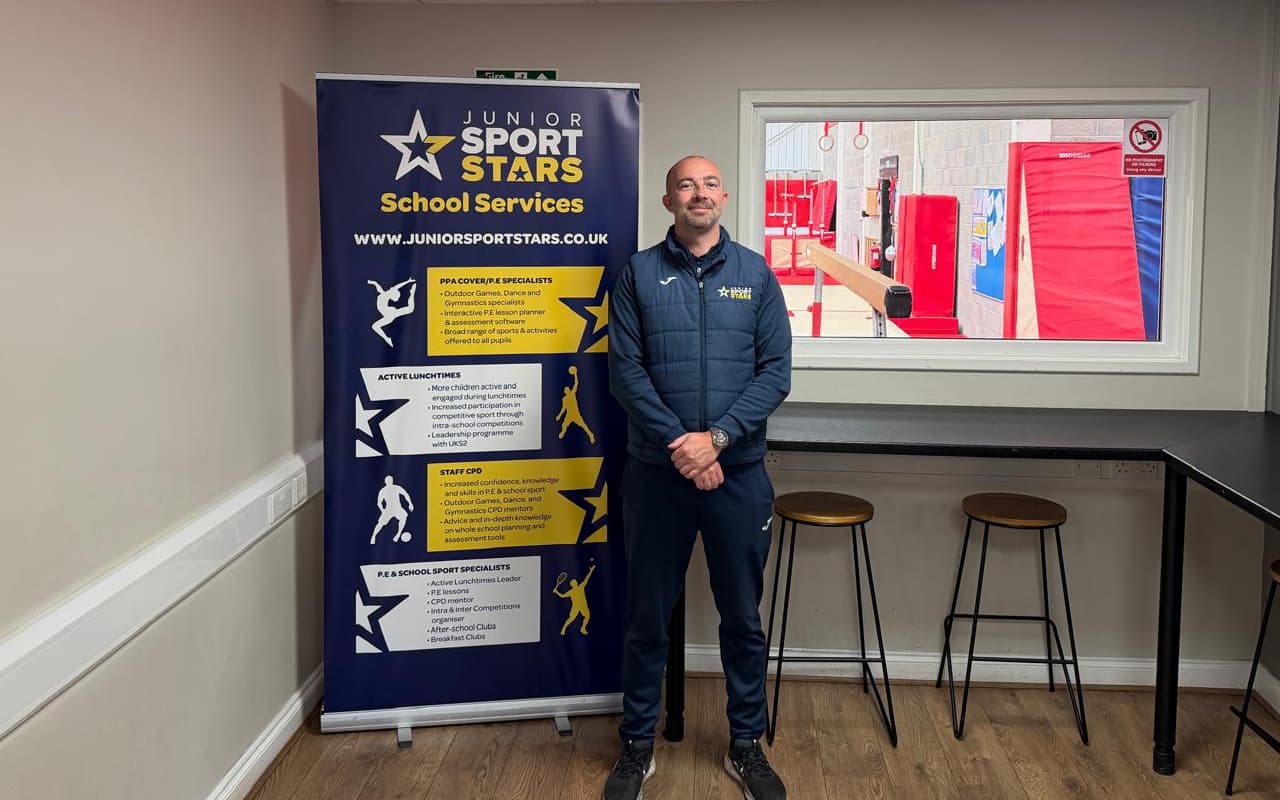
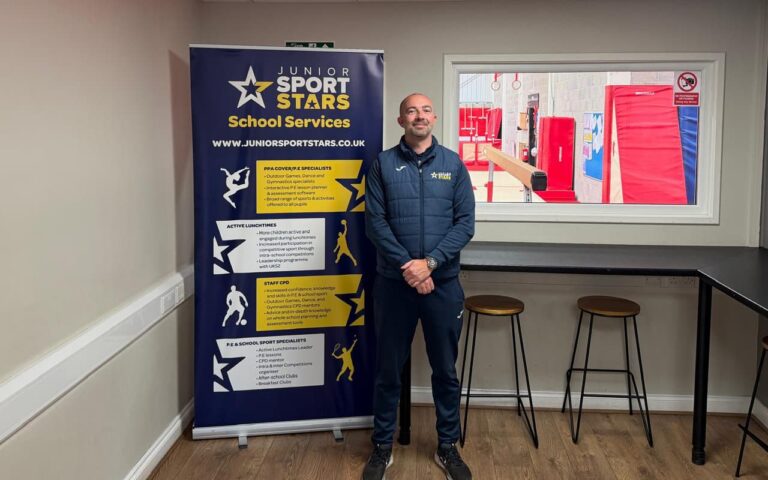
Ant is Junior Sport Stars’ School Liaison Manager, having worked with primary schools, specifically on school sport, for over 20 years.
Ant works with a number of schools to enhance their PE and school sports offering. He is also active in raising physical activity levels in the community.
Latest News
-
Benefits of Gymnastics for Young Children
Learn how gymnastics provides a strong physical foundation that benefits kids in all areas of sports and...
-
Top 5 Benefits of Active Holiday Camps
Find out why being active and having fun at a well organised sports and activity camp is the best way to spend the school holidays....
-
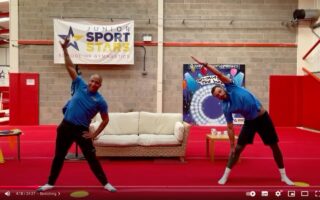
Key Stage 2 Fitness Video
Join Leandro and Dre as they get your heart pumping, followed by some stretching, and finally, warming up your arm and leg muscles for the...


